AI Logo

Artificial Intelligence

What Exactly is Artificial Intelligence ?

Artificial Intelligence, or AI as we call it, is simply an attempt to make computers think and act like humans. What does that mean? It means when you open Google and type "restaurants near me" and it understands you and shows you the results you want, that's artificial intelligence.

This isn't new at all - it started around the 1950s, but now it's everywhere. From Siri on iPhone, to Netflix when it suggests movies, to YouTube when it selects videos you might like. All of this is artificial intelligence.

The basic idea is that the system learns from the data we feed it. The more data it sees, the more accurate and smarter it becomes. Like a small child learning from experience, but much faster.
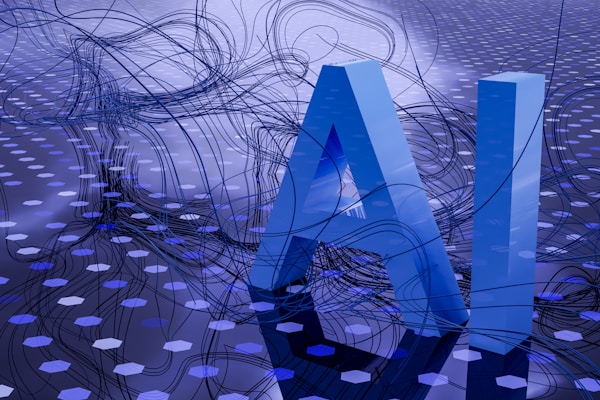
Visual representation of artificial intelligence and modern technology

The Fundamental Components That Artificial Intelligence Relies On :

  • Machine Learning: This is the part that makes the system learn on its own without us explicitly programming it. Like when Netflix learns from the movies you've watched and suggests similar content.
  • Natural Language Processing (NLP): This is what makes computers understand human speech. When you talk to Siri or Google Assistant, that's what's happening.
  • Computer Vision: The system's ability to understand images and videos. Like when Facebook recognizes you in photos, or when the camera on your phone recognizes faces.
  • Robotics: This is the integration of artificial intelligence with physical devices. Like robots working in factories, or those used in surgical procedures.

Where Did It All Begin ?

Artificial Intelligence isn't a new idea at all. It all started in 1950 when a scientist named Alan Turing asked a simple question: "Can machines think?" And that was the beginning of everything.

In the 1950s and 1960s, people were very excited and thought that within 20 years we'd find smart robots in every home. But reality was much harder. Technology at that time was limited, and data was scarce.

In the 1970s and 1980s, the field entered a period called "AI Winter" - meaning funding decreased and interest waned. People began to lose hope.

But in the 1990s and 2000s, the internet and big data came in, and the field came back strong. Now artificial intelligence is everywhere, and every day there are new discoveries.
History of artificial intelligence development

Why is Artificial Intelligence So Important ?

Artificial Intelligence isn't just a new technology, it's a new way of thinking about solving problems. From speed and accuracy, to the ability to continuously learn, artificial intelligence offers solutions to problems we used to solve manually.

Speed and Accuracy

Imagine you need to analyze a million medical images to find tumors. A human might take months, but artificial intelligence can do it in hours. And it's not just speed, it's accuracy too. The system doesn't get tired or distracted like humans.

In banks, for example, artificial intelligence detects suspicious transactions in seconds. If a human were to do it, it would take a very long time.

It Learns on Its Own

The fundamental difference between regular programs and artificial intelligence is that AI improves over time. The more data it sees, the more accurate it becomes.

For example, when you use Google Translate, the more people use it, the more accurate the translation becomes. The system learns from mistakes and improves.

Handles Boring Tasks

In every job there are boring and repetitive tasks. Artificial intelligence can do them for you, and you can focus on the important things that require human thinking.

For example, in companies, artificial intelligence handles responses to simple customer messages, which allows employees to focus on complex problems.

Helps You Make Better Decisions

Artificial intelligence analyzes huge amounts of data and reveals patterns you wouldn't notice on your own. This helps you make decisions based on more information.

For example, in e-commerce, the system understands customer behavior and suggests products that might sell more. This makes business decisions more accurate.

Comparison Between Traditional Tasks and Artificial Intelligence

Task Traditional Method Using Artificial Intelligence
Data Analysis Hours or days Minutes
Image Recognition Limited accuracy Very high accuracy
Translation Manual and slow Instant and accurate

Artificial Intelligence Applications in Various Fields

1. Medical and Healthcare Field

ترجمة صوتية
Artificial intelligence applications in the medical field

Medicine today is completely different from before. Artificial intelligence has become an essential part of diagnosis and treatment. Doctors rely on it for many things:

  1. Faster and More Accurate Diagnosis: The system examines X-ray images and test results very quickly. In many cases, it has discovered tumors before doctors could see them. This allows treatment to start earlier, which improves chances of recovery.
  2. New Drug Development: Instead of new drugs taking years to develop, artificial intelligence helps scientists discover new compounds quickly. Many research projects now use AI to find treatments for difficult diseases.
  3. More Precise Surgery: Surgical robots now perform very complex operations with high precision. The surgeon controls them, but the robot performs the delicate movements that humans might make mistakes with.
  4. Continuous Monitoring: Smart devices monitor patients' conditions 24 hours a day. If there's a sudden change, the system sends an immediate alert to doctors. This makes care better and faster.

In large hospitals, artificial intelligence has become part of the daily system. From scheduling appointments, to analyzing symptoms, to choosing the appropriate treatment.

2. Education Field

ترجمة صوتية
Artificial intelligence applications in education

Education today isn't like before. Every student has a different learning style, and artificial intelligence is helping with this:

  1. Personalized Education for Each Student: The system understands each student's strengths and weaknesses, and provides appropriate content. A student weak in mathematics will get different exercises than one who is strong. This makes learning more effective.
  2. Smart Platforms: Educational platforms now use artificial intelligence to understand what the student wants to learn. They suggest videos and materials appropriate for their level and interests.
  3. Automatic Grading: Assignments and exams are graded automatically. This saves teachers' time and allows them to focus on teaching and interacting with students. The system also gives useful feedback to students.
  4. Virtual Assistants: Many platforms now have robots that answer student questions 24 hours a day. If a student needs help at any time, the virtual assistant is available.

In large universities, artificial intelligence is helping with everything. From choosing appropriate courses, to preparing lectures, to analyzing student performance.

3. Transportation Field

ترجمة صوتية
Artificial intelligence applications in transportation

Transportation is seeing major changes. Artificial intelligence is now controlling almost everything:

  1. Self-Driving Cars: Large companies like Tesla and Google are developing cars that drive themselves. The idea is that the car sees the road and makes decisions in seconds. Still in development, but the future is near.
  2. Traffic Management: Smart traffic lights now control traffic flow based on density. If there's congestion in a certain direction, the light stays open longer. This significantly reduces traffic.
  3. Route Planning: Apps like Google Maps and Waze use artificial intelligence to find the fastest route. The system checks traffic in real-time and suggests alternative routes.
  4. Smart Public Transport: Buses and trains now use artificial intelligence in scheduling trips. The system understands which times have more demand and adjusts the schedule.

In smart cities, everything is connected. Cars talk to each other, traffic lights talk to cars, and all of this makes transportation faster and safer.

4. Business and Commerce Field

ترجمة صوتية
Artificial intelligence applications in business

Business and commerce are seeing major transformations. Companies now rely on artificial intelligence for everything:

  1. Understanding Customers: Companies use artificial intelligence to understand their customers' behavior. The system analyzes previous purchases and suggests new products. This significantly increases sales.
  2. Smart Marketing: Instead of sending ads to everyone, artificial intelligence helps you reach the right audience. The system understands what each person is interested in and presents them with appropriate ads.
  3. Inventory Management: The system understands which products sell more and when you need to reorder. This prevents companies from keeping too many unused products, which saves money.
  4. 24/7 Customer Service: Most companies now have robots that answer customer questions. The system understands the question and answers immediately. If the question is complex, it transfers to a human employee.

Large companies now use artificial intelligence in every decision. From choosing new products, to setting prices, to selecting employees.

Real Examples from Our Daily Lives

You might not realize it, but artificial intelligence is everywhere around you. When you open Facebook and it shows you posts you might like, that's artificial intelligence. When you use Netflix and it suggests movies, that's artificial intelligence.

Even on your phone, when you type a message and the keyboard suggests words you want to type, that's artificial intelligence. When the camera recognizes faces in photos, that's artificial intelligence.

In e-commerce, when Amazon suggests products to you, that's artificial intelligence. The system understands what you've bought before and suggests similar items.

Even in banks, when you transfer money and the system detects something suspicious about the transaction, that's artificial intelligence. The system understands suspicious patterns and protects you from fraud.

Real examples of artificial intelligence

Daily Applications We All Use:

  • Google Search: When you search for something, the system understands exactly what you want and shows you relevant results. This isn't coincidence, it's advanced artificial intelligence.
  • YouTube: The recommendations it suggests to you are based on artificial intelligence. The system understands what type of videos you like and suggests similar content.
  • Instagram: The entire Explore page is based on artificial intelligence. The system understands your interests and shows you new content you might like.
  • Uber and Careem: The app understands which areas have more demand and directs drivers there. This reduces waiting time.
  • Instant Translation: Translation apps now translate in real-time. This helps people in travel and communication.

Challenges and Drawbacks

Artificial intelligence is amazing, but not everything is rosy. There are real challenges we face:

  • Very High Cost: Developing strong artificial intelligence systems requires huge investments. Small companies might not be able to afford the cost. This makes the technology available only to large companies initially. But over time, costs decrease. Now there are free tools available to everyone.
  • Privacy Issues: For artificial intelligence to work, it needs a lot of data. This makes people worried about their privacy. Companies collect information about you to improve their services. There are new laws like GDPR in Europe that protect people's privacy, but there's still more work to do.
  • Jobs Disappearing: Artificial intelligence is now doing things that humans used to do. This makes some jobs disappear. Employees in factories and stores face the risk of replacement. But at the same time, new jobs are emerging. The important thing is for people to learn new skills.
  • Over-Dependence on Technology: When we depend too much on artificial intelligence, we might forget basic skills. If the system fails, we could be in big trouble. The important thing is to use technology as an assistant, not as a complete replacement.
  • Bias in Data: Artificial intelligence learns from the data we feed it. If the data contains bias, the system will be biased too. This is a big problem in hiring and loans, for example. Developers are now doing a lot of work to ensure systems are fair.
  • Difficulty Understanding: Some artificial intelligence systems are very complex and it's not clear how they reach their conclusions. This makes it difficult to trust them in important decisions. There's a lot of research now to make systems more transparent.

What's Coming in the Future?

The future is very near, and artificial intelligence will become a bigger part of our lives. There are many predictions about what might happen.

Self-Driving Cars

Self-driving cars are still in development, but the future is near. Technology improves every day, and soon we might see cars driving themselves on the streets.

This will make roads safer, because human errors will be less. It will also save time for people who drive.

Smarter Personal Assistants

Virtual assistants are simple now, but the future will make them much smarter. They could be everywhere - at home, in the car, at work.

They'll know your daily routine and help you with everything. From scheduling appointments, to ordering food, to managing tasks.

Personalized Medicine

Artificial intelligence could make treatment customized for each person. The system will analyze your genes and medical history and suggest treatments exactly right for you.

This will make medications more effective and side effects less. Each person will get treatment designed specifically for them.

Better Education

Education will become more personalized. Each student will get content designed specifically for them. The system will understand their learning style and prepare appropriate materials.

This will make education more effective. Students struggling in a particular subject will automatically get extra help.

Other Future Predictions:

  • Robots in the Home: Smart robots will help with household chores. From cleaning, to cooking, to caring for children and the elderly.
  • Fully Smart Cities: Everything in the city will be connected. From energy management, to transportation management, to waste management. Everything will be automatic.
  • New Arts: Artificial intelligence has become an artist. It can write songs, paint pictures, even write stories. This opens a whole new field for creativity.
  • Faster Scientific Discoveries: Artificial intelligence helps scientists discover new things quickly. From new drugs, to new materials, to solutions for complex problems.